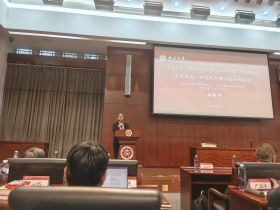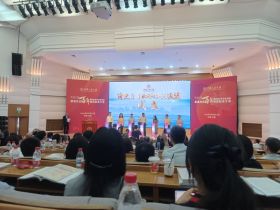


Yesterday I attended the workshop on modern Catholic studies from a global history perspective organized by Brother Zhang Rui at the Institute of Cultural Research. Most participants were scholars specializing in Western Catholic studies, while Professor Zhou Weichi and I primarily focus on the study of Christianity in China. Yesterday also marked the inauguration of the new Pope Leo XIV, making the timing particularly significant. This semester has been extremely busy, so I didn't prepare a PowerPoint presentation. My talk covered the following points: Introduction: From the papal election to the introduction of the Western papal system in late Ming China; First, global regionalization requires a deep understanding of both the Western context and the late Ming situation; Second, I recommended Professor Nicolas Standaert's concepts of “in-betweenness” and “interweaving,” which require familiarity with Chinese and Western history, religion, culture, and relevant materials. Third, I emphasized paying attention to the fates of ordinary people and opposing grand narratives. Fourth, I advocated for a global perspective combined with local case studies (e.g., the Annals of the Ming Dynasty). Conclusion: Why are people still questioning the nature of Matteo Ricci's arrival in China?
Many people joined us for dinner that evening.